


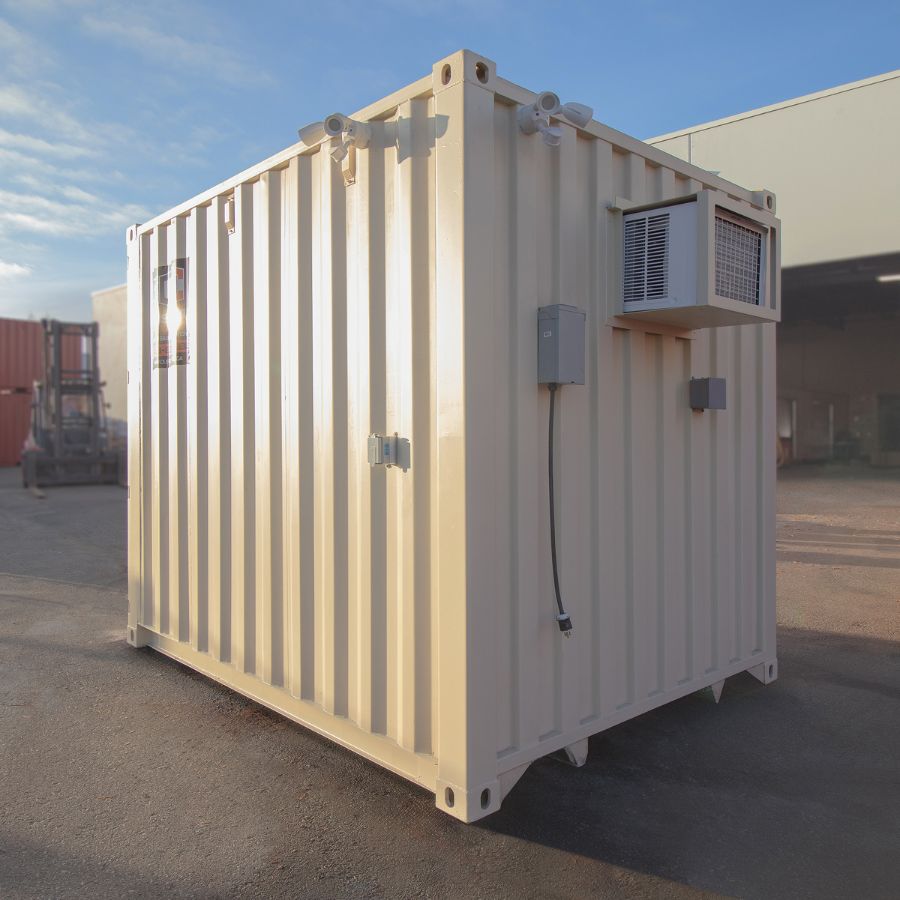
From Box to Bright: A Step-by-Step Guide to Refurbishing a 20-foot Container
refurbishing a 20-foot shipping container is a smart, sustainable way to create durable, versatile spaces. At LPKC Cubes, we specialize in transforming used containers into beautiful, functional homes, offices, studios, and more. This step-by-step guide walks you through the process, from assessment to final finish, with tips to ensure durability, comfort, and style.
Why Refurbish a 20-Foot Container?
- Cost efficiency: Refurbishment is often more affordable than new construction.
- Sustainability: Extending the life of a container reduces waste and environmental impact.
- Flexibility: A 20-foot container provides a compact, manageable footprint perfect for small homes, studios, offices, or storage.
- Design versatility: With the right finishes, insulation, and systems, a 20-foot container can be tailored to almost any use.
Step 1: Initial Assessment and Planning
- Inspection: Examine the container for structural integrity, corrosion, dents, and floor condition. Look for any previous repairs or repairs needed.
- Decide on Use: Determine the final function (living space, office, workshop, etc.) to guide insulation, ventilation, and power needs.
- Budget and Timeline: Outline a realistic budget, including delivery, foundation, insulation, interior finishes, electrical/plumbing, and permits if required.
- Engage Experts: Partner with a trusted provider like LPKC Cubes for professional refurbishment, design, and project management.
Step 2: Structural Prep and Safety
- Assess and Address Structural Issues: Repair any rust, holes, or weakened beams. Ensure corners, doorframes, and roof are sound.
- Floor Condition: If the original floor is damaged, consider replacing with treated plywood or a more robust subfloor. Seal or coat to resist moisture.
- Rust Treatment: Use rust converters on any affected areas, followed by a protective primer.
Step 3: Insulation and Climate Control
- Choose Insulation Type: Spray foam, rigid foam board, or a combination can provide a tight thermal envelope.
- Vapor Barrier: Install a vapor barrier where appropriate to prevent moisture migration.
- Ventilation: Plan for mechanical ventilation or energy-efficient windows to maintain air quality and comfort.
- Sealing: Seal gaps around doors, windows, and joints to minimize drafts.
Step 4: Electrical and Plumbing (If Applicable)
- Electrical Plan: Map out outlets, lighting, HVAC controls, and safety components (GFCIs, circuit breakers). Ensure compliance with local codes.
- Water and Waste: If you’re including a bathroom or kitchenette, plan for reliable water supply and waste management. Consider off-grid options if needed.
- Safety First: Use certified electricians and plumbers for all installations.
Step 5: Interior Finishes and Layout
- Walls and Ceilings: Choose lightweight, durable materials. Drywall with moisture-resistant tape, or high-quality plywood/laminate panels can create a clean, modern look.
- Flooring: Options include vinyl plank, laminate, or sealed plywood for a warm, durable finish.
- Windows and Doors: Install energy-efficient windows and a secure door. Consider skylights or clerestory windows for natural light.
- Fixtures and Furnishings: Opt for modular, space-saving furniture to maximize the small footprint.
Step 6: Exterior Treatments
- Weatherproofing: Apply a protective coating or cladding to guard against moisture and UV exposure.
- Aesthetics: Paint or finish the exterior to match the desired aesthetic—industrial chic, contemporary, or rustic.
- Roofing: Ensure a watertight roof with proper drainage; consider insulation above the roof for additional comfort.
Step 7: Final Systems Check and Quality Assurance
- Inspect All Systems: Verify electrical, plumbing, insulation, and ventilation function as intended.
- Energy Performance: Check for air leaks and seal any remaining gaps to improve energy efficiency.
- Safety Certification: If required, obtain relevant inspections or certifications to meet local standards.
Step 8: Delivery, Installation, and Handover
- Transport Preparedness: Coordinate safe loading and transportation to the site.
- On-Site Setup: Ensure proper leveling, anchoring, and connection to utilities.
- Documentation: Collect warranties, maintenance guides, and any installation manuals.
Why Work with LPKC Cubes on Refurbishment?
- Expertise and Quality: Our team brings years of experience in sourcing, refurbishing, and customizing containers for a variety of applications.
- Customized Solutions: We tailor insulation, finishes, and layouts to your specific needs and climate.
- Turnkey Support: From initial consultation to final delivery, we manage procurement, transport, installation, and post-installation support.
- Sustainability: We prioritize responsible refurbishment practices and efficient logistics to minimize environmental impact.
Case Study Snapshot: 20-Foot Refurbished Container
- Project: Flexible living studio for a tiny home enthusiast
- Size: 20-foot container
- Key Features: Insulated envelope, compact kitchenette, fold-down desk, and large window for natural light
- Outcome: A cozy, energy-efficient living space with stylish finishes and practical storage
Getting Started with LPKC Cubes
- Schedule a consultation to discuss your goals, site, and budget.
- We’ll assess site readiness, foundation needs, and access requirements.
- We’ll present design options, insulation strategies, and finish ideas tailored to your climate.
- We handle delivery, installation, and post-install support.
Take the Next Step
Ready to transform a 20-foot container into a bright, functional space? Reach out to LPKC Cubes today for a consultation, quote, or design ideas. We’re excited to help you turn your container into your dream space.