


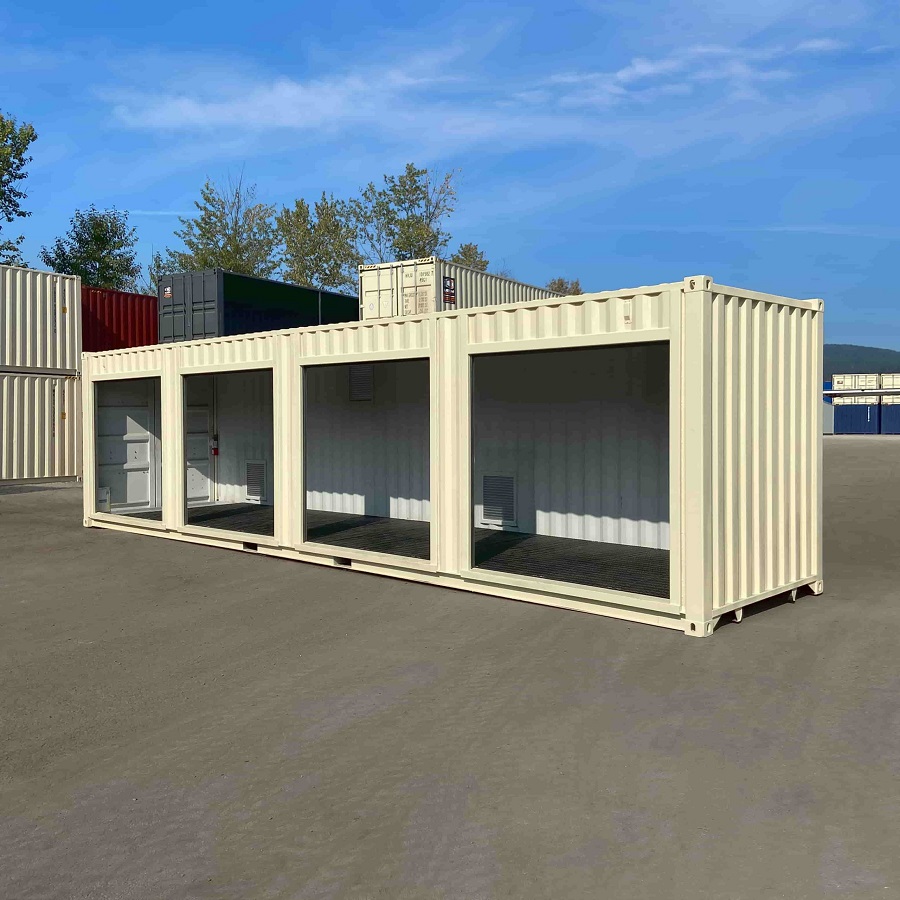
Sustainable Living: How Container Solutions Can Shrink Your Footprint
Sustainable living isn’t a trend—it’s a practical approach to reduce environmental impact while enjoying durable, flexible spaces. At LPKC Cubes, we believe container solutions offer a smart path to greener living and working environments. Here’s how repurposed containers can help shrink your footprint, from materials and construction to energy use and end-of-life considerations.
Why Container Solutions Align with Sustainability
- Material efficiency: Reusing shipping containers gives a second life to steel hulls that would otherwise sit idle or be scrapped.
- Waste reduction: Refurbishment minimizes demolition waste and reduces demand for new building materials.
- Localized fabrication: Off-site construction reduces on-site waste, noise, and disturbance.
- Adaptability: Modular designs can be reconfigured or relocated, extending the useful life of the structure.
1) Lower Embodied Carbon Through Reuse
- Less new material: Containers provide a structural framework that often reduces the need for new steel, concrete, and other heavy materials.
- Durability: Steel is highly durable and recyclable at the end of its life, enabling a circular lifecycle.
How LPKC Cubes approaches it:
- We source high-quality containers, inspect for structural integrity, and refurbish with durable, low-emission materials.
- Our designs emphasize long-term resilience, energy efficiency, and minimal waste during fabrication.
2) Energy Efficiency That Pays Back
- Thermal envelope: Proper insulation and air sealing reduce heating and cooling demands.
- Efficient systems: Modern HVAC, LED lighting, and energy-smart appliances lower energy consumption.
- Passive design opportunities: Orientation, glazing, shading, and natural ventilation can dramatically cut energy use.
Practical tips:
- Use spray foam or rigid foam insulation to create a tight envelope.
- Install energy-efficient windows with low U-values and good solar gain control.
- Incorporate heat recovery ventilation (HRV) to maintain indoor air quality with minimal energy loss.
3) Water Conservation and Management
- Low-flow fixtures: Water-saving taps, toilets, and showerheads reduce consumption.
- Stormwater planning: Proper site drainage and, where feasible, rainwater harvesting support sustainable water use.
- Greywater considerations: Design kitchens and baths with efficient plumbing to facilitate potential greywater systems in the future.
LPKC Cubes approach:
- We design plumbing layouts with efficiency in mind and select fixtures that minimize waste while meeting comfort standards.
4) Material Transparency and Healthy Interiors
- Low-VOC materials: Choosing paints, sealants, and finishes with low volatile organic compounds improves indoor air quality.
- Sustainable finishes: Reclaimed or certified woods, bamboo, and durable vinyl with recyclability options reduce environmental impact.
- Moisture control: Proper moisture management helps prevent mold and indoor air quality issues.
Design note:
- We prioritize materials that balance aesthetics, durability, and environmental responsibility, and we always communicate product lifecycles with clients.
5) Transportation and Logistics Footprint
- Localized sourcing: Refurbishment can be organized regionally to minimize long-haul transport.
- Modular efficiency: Containers are engineered for efficient transport and on-site assembly, reducing waste and site disruption.
What this means for you:
- Shorter lead times and reduced emissions from transport.
- Fewer construction vehicles on site due to off-site fabrication.
6) End-of-Life Considerations
- Disassembly and reuse: Containers can be repurposed again or dismantled with materials recovered and recycled.
- Lifecycle planning: Thoughtful design supports future reconfiguration or relocation rather than demolition.
LPKC Cubes commitment:
- We build with end-of-life in mind, offering guidance on how to repurpose modules as your needs evolve.
Real-World Applications and Case Studies
- Residential studios: Compact, energy-efficient living spaces with tight thermal envelopes.
- Commercial pop-ups: Lightweight, transportable offices and kiosks that minimize resource use.
- Community spaces: Multi-module configurations that can be reimagined for different programs without new construction.
Getting Started with Sustainably Minded Container Projects
- Assessment: Clarify your site, climate, and sustainability goals.
- Design: Choose configurations that optimize energy efficiency and water use.
- Material selection: Prioritize low-VOC finishes and durable, recyclable components.
- Construction: Leverage off-site fabrication to reduce waste and disruption.
- Operations: Plan for ongoing energy and water monitoring, plus maintenance.
Why Work with LPKC Cubes on Sustainable Solutions?
- Expertise in refurbishing and retrofitting: We transform containers into efficient, beautiful spaces with sustainability baked in.
- Transparent guidance: From material choices to end-of-life planning, we help you understand environmental trade-offs.
- Turnkey approach: We manage design, fabrication, transportation, installation, and aftercare with an emphasis on minimizing environmental impact.
Quick Tips for a Greener Container Project
- Prioritize high insulation value and airtight seals.
- Specify energy-efficient HVAC and lighting.
- Choose durable, low-toxicity interior finishes.
- Plan for future adaptability to extend the life of your investment.
- Consider on-site renewable energy options where feasible (e.g., solar panels on roofs).
FAQs Snapshot
- Q: Are container builds more sustainable than traditional builds? A: Often yes, due to reuse, modular construction, and potential for high energy efficiency, but it depends on design choices and materials.
- Q: Can container spaces be certified as green buildings? A: Yes, with appropriate design standards and certifications (LEED, WELL, etc.), depending on the project.
- Q: What maintenance helps sustain efficiency over time? A: Regular inspections of insulation, seals, HVAC performance, and water fixtures.
Final Thoughts
Sustainable living with container solutions is about smarter materials, thoughtful design, and ongoing stewardship. At LPKC Cubes, we’re dedicated to helping you shrink your footprint without compromising style, comfort, or function. If you’d like, we can tailor this post to your audience, climate, and project type, and add visuals, a cost guide, and a simple sustainability checklist.